 Pin it
 There's something about the sizzle of chicken hitting hot oil that makes me feel like I'm cooking in someone's Tokyo kitchen. I discovered teriyaki bowls years ago at a tiny restaurant tucked between office buildings, where the owner would layer everything with such care that you knew each component mattered. Now when I make this at home, that same attention feels natural—the way the sauce clings to the chicken, how the vegetables stay bright and crisp, the steam rising off the rice as you pour the glaze over everything.
I remember making this for a friend who had just moved to the neighborhood, wanting to share something that felt like a small welcome. She took one bite and immediately asked for the recipe, then admitted she'd been living on sad desk lunches for weeks. There's a particular joy in watching someone's face light up when food tastes this good and hits this fast.
Ingredients
- Boneless, skinless chicken thighs or breasts (500 g): Thighs stay juicier than breasts, but breasts work if that's what you have—just watch them so they don't dry out.
- Vegetable oil (2 tbsp total): Keep it neutral so the teriyaki sauce stays the star.
- Salt and black pepper: A pinch of each before the chicken hits the pan makes all the difference in flavor development.
- Soy sauce (80 ml): This is your umami backbone—don't skimp on quality here.
- Mirin (60 ml): The sweet rice wine that gives teriyaki its glossy, distinctive character.
- Honey or brown sugar (2 tbsp): Adds depth beyond what mirin alone can do, and helps create that beautiful caramelization.
- Rice vinegar (1 tbsp): A small splash that brightens everything and prevents the sauce from tasting one-dimensional.
- Garlic and ginger (2 cloves and 1 tsp): Fresh is non-negotiable—they're what make this feel homemade rather than bottled.
- Cornstarch slurry (1 tsp cornstarch plus 2 tsp water): The secret to a sauce that clings instead of sliding off.
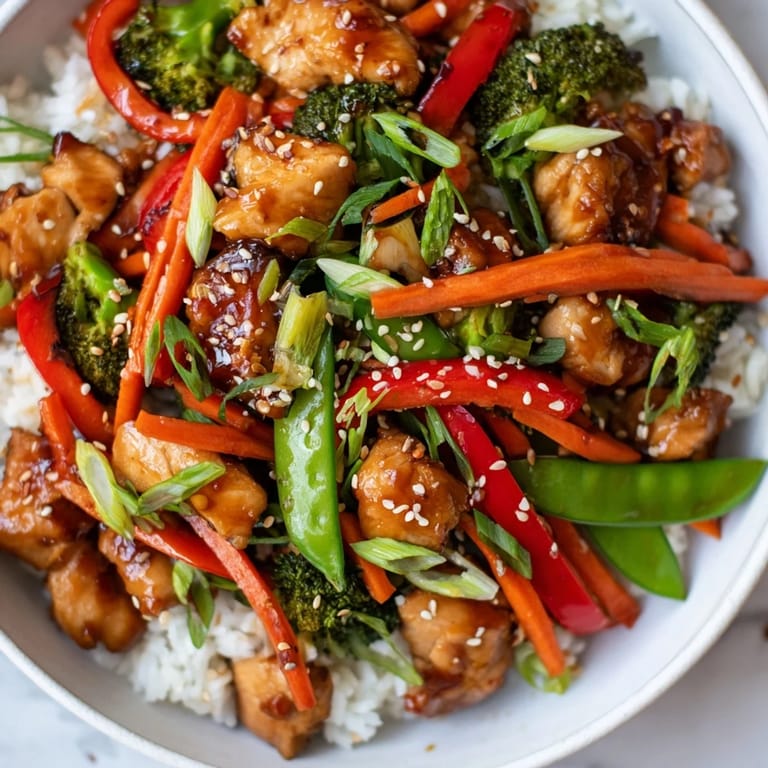
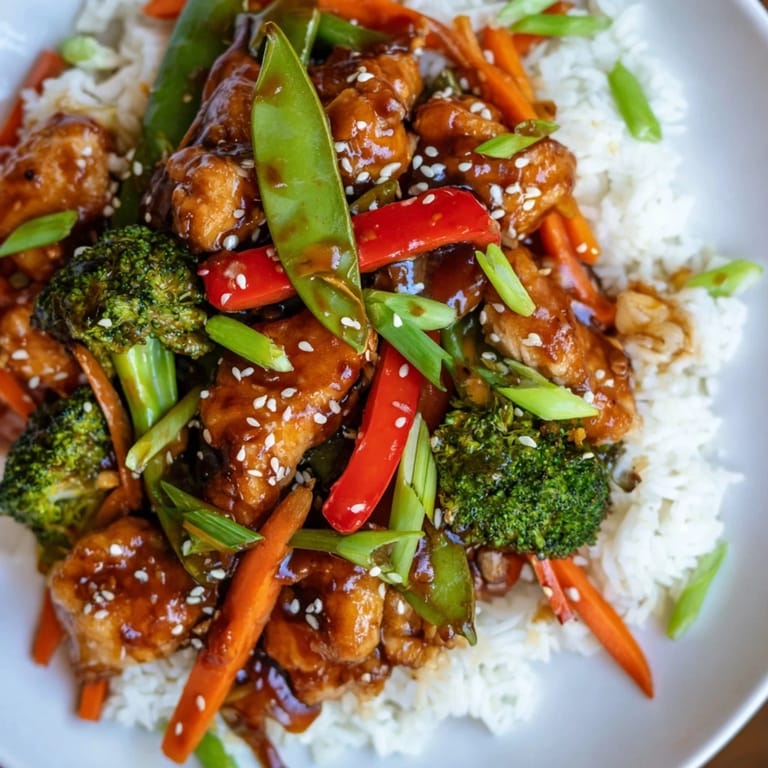
- Mixed vegetables (carrot, bell pepper, broccoli, sugar snap peas): Choose whatever looks good—the point is color and texture variation.
- Cooked rice (600 g): White or brown, whatever you prefer, but freshly cooked matters.
- Sesame seeds and spring onions: These aren't just garnish—they add a final layer of flavor and texture.
Tired of Takeout? 🥡
Get 10 meals you can make faster than delivery arrives. Seriously.
One email. No spam. Unsubscribe anytime.
Instructions
- Start your rice first:
- Get it going before anything else so it's warm and fluffy when you need it. This gives you one less thing to coordinate at the end.
- Build your sauce:
- Combine soy sauce, mirin, honey, rice vinegar, garlic, and ginger in a small saucepan and bring to a simmer. You'll smell when it's ready—that aromatic, slightly caramelized scent. Stir in the cornstarch slurry and watch it transform from thin to glossy, about 1–2 minutes, then set aside.
- Cook the chicken properly:
- Heat oil in a large skillet over medium-high heat, season your chicken with salt and pepper, then let it cook without moving it around for the first minute or two. You want that golden crust, not pale and steamed. About 5–6 minutes total until it's cooked through.
- Sauté your vegetables:
- In the same skillet with fresh oil, add your vegetables and keep them moving for 3–4 minutes. They should be tender-crisp, still with a bit of snap when you bite them, not soft.
- Bring it all together:
- Return the chicken to the skillet, pour the teriyaki sauce over everything, and toss it all together for just 1–2 minutes so the sauce coats and heats through.
- Compose your bowls:
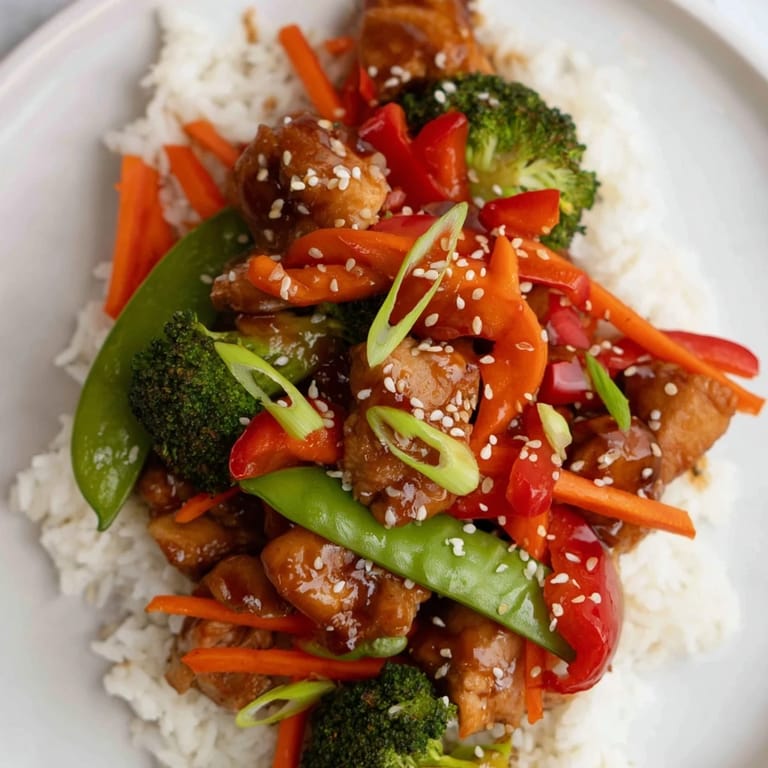
- Divide rice among four bowls, top with the chicken and vegetables, then finish with sesame seeds and spring onions for that final flourish.
 Pin it
 The first time someone told me they'd made this for their family and everyone wanted seconds, I realized it's the kind of dish that bridges gaps—quick enough for busy weeknights, elegant enough for people you want to impress. That's when food becomes more than sustenance.
Why This Works as a Bowl
There's a reason bowl meals have taken over—everything you need is in one place, the warm rice absorbs the sauce, and the different textures keep your palate interested from first bite to last. The vegetables aren't just there for color; they add crunch and freshness that plays against the richness of the glaze and the softness of the rice. When you nail the proportions, you get something that feels both comforting and vibrant.
Making It Your Own
I've made this dozens of times with different vegetables depending on what's in the crisper drawer—mushrooms add earthiness, snap peas bring sweetness, thin zucchini slices get crispy at the edges. You could swap the chicken for firm tofu or shrimp, and the sauce would be just as happy. The beauty is that the technique stays the same, so once you've made it once, you can improvise.
Sauce Adjustments and Flavor Balance
Sometimes a batch of soy sauce is saltier than another, or your mirin is sweeter, so taste your sauce before you pour it over everything. You have time to adjust—add a pinch more vinegar if it feels cloying, a touch more soy if it needs saltiness, or a drizzle of honey if it's too sharp. This isn't about following a recipe blindly; it's about tasting as you go and making it delicious to your palate.
- If your sauce breaks or looks separated, add a splash of water and whisk it smooth again.
- Leftover sauce keeps in the fridge for a week and is excellent on grilled fish or roasted vegetables.
- Start with less sauce than you think you need—you can always add more, but you can't take it back.
 Pin it
 This bowl is proof that simple technique and quality ingredients can make something restaurant-worthy in your own kitchen. Make it once, make it again, and watch it become one of those dishes people ask you to bring to gatherings.
Recipe Questions & Answers
- → What type of chicken works best?
Boneless, skinless chicken thighs or breasts both work well, cut into bite-sized pieces for even cooking.
- → How do I thicken the teriyaki sauce?
Mix cornstarch with water to form a slurry and stir it into the simmering sauce until it thickens, usually 1–2 minutes.
- → Can the vegetables be substituted?
Yes, feel free to swap in zucchini, mushrooms, or other favorites for a personalized touch.
- → How do I keep the chicken tender?
Cook the chicken over medium-high heat until golden and cooked through, about 5–6 minutes, to retain juiciness.
- → What are good serving suggestions?
Serve over warm steamed rice and garnish with sesame seeds and sliced spring onions for added flavor and crunch.