 Pin it
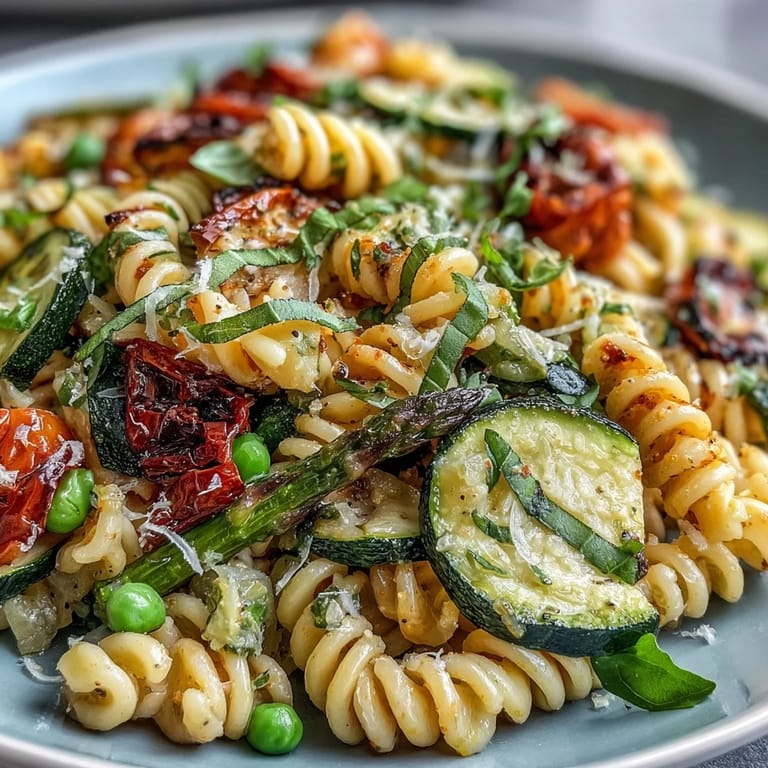
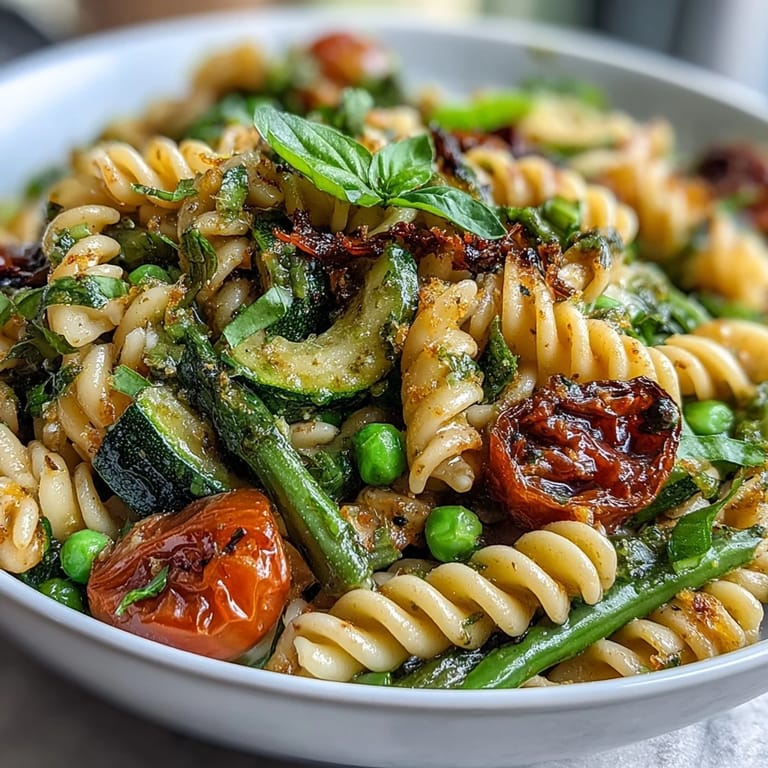
 The sound of pasta bubbling in the pot, paired with the bright snap of chopping fresh basil, always seems to wake up the kitchen in spring. Last April, I was standing by the window, soaking in that gentle afternoon sunlight, hungry for something just as fresh as the season itself. This Pasta Primavera came together almost spontaneously, inspired by a fridge overflowing with market vegetables and a sense that winter was finally behind us. I was surprised how much the lemon zest lifted the whole dish, making it taste like the outdoors after rain. There's a certain ease in letting colorful veggies and herbs do most of the work.
I made this Primavera for a friend after she’d had a tough week, and we ended up chatting late into the night with second helpings. The basil scent lingered, and there was honest laughter mixed with the clatter of plates. Cooking it felt like pressing ‘reset’—simple, lively, and forgiving. It's the kind of meal that invites conversation without fuss. I remember how my friend said it tasted like a ‘good mood’ on a plate.
Ingredients
- Pasta: Penne or farfalle keep their shape best and soak up all the herby flavors, so I always buy them for this dish.
- Zucchini & Yellow Squash: Sliced into half-moons, they cook quickly and bring gentle sweetness; try not to overcook, or their texture fades.
- Asparagus: Snapped into 2-inch pieces, asparagus adds bite; fresh is best, but frozen works in a pinch.
- Cherry Tomatoes: Halved tomatoes become juicy little bursts—pick the ripest you can find.
- Red Bell Pepper: Thinly sliced, it adds subtle tang and vibrant color; prepping ahead saves time.
- Peas: Fresh or frozen, they’re fast to cook and lend a nice pop—don’t skip them!
- Garlic & Shallot: Chopped and sautéed, they lay the foundation for the whole sauce; watch for golden, not burnt.
- Basil & Parsley: Chop just before adding for the brightest, most aromatic flavor.
- Lemon Zest & Juice: Zest first, then juice—never underestimate how this duo transforms the sauce.
- Extra-Virgin Olive Oil: Use a generous drizzle for silkiness; quality really shines here.
- Parmesan Cheese: Grate it fresh for maximum flavor—plus, extra for serving means more smiles.
- Salt, Pepper, Red Pepper Flakes: Season thoughtfully; a pinch of spice wakes up the veggies.
Tired of Takeout? 🥡
Get 10 meals you can make faster than delivery arrives. Seriously.
One email. No spam. Unsubscribe anytime.
Instructions
- Boil your pasta:
- Fill your pot with salted water and bring it to a rolling boil so you can drop in the pasta—wait for that bubbling sound before adding it. Cook until just al dente, keeping an eye so it doesn't get mushy, then scoop out half a cup of cooking water before draining.
- Sauté aromatics:
- While pasta cooks, drizzle olive oil into your skillet and add chopped shallot and garlic. The aroma will bloom in under a minute, so don’t wander off.
- Add the vegetables:
- Drop in the zucchini, squash, asparagus, and bell pepper—stir occasionally so all sides get glossy and just tender. Resist the urge to crowd the pan or the veggies will steam instead of sauté.
- Finish with tomatoes and peas:
- Stir in cherry tomatoes and peas, letting the tomatoes soften and peas brighten in color for a few more minutes. It should smell fresh and inviting.
- Toss everything together:
- Return drained pasta to the skillet, gently folding to combine with the sautéed veggies—you’ll see colors mingle as you toss.
- Season and sauce:
- Stir in reserved pasta water, lemon zest, juice, chopped basil and parsley, then finish with that last drizzle of olive oil. Taste and add salt, pepper, and a pinch of red pepper flakes if you like a hint of warmth.
- Fold in Parmesan:
- Now remove from heat; sprinkle Parmesan cheese and gently fold again so it melts and coats each piece. Serve right away, showered with extra cheese and herbs if you wish.
 Pin it
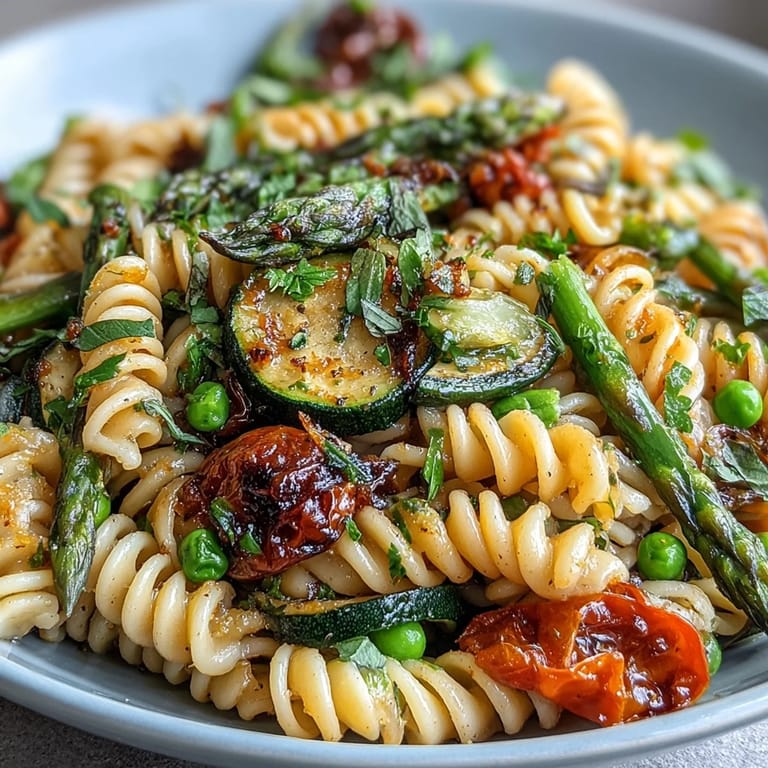
 One chilly spring night, I brought a bowl of Primavera outside for dinner and was taken aback by how its warmth cut through the breeze. Sharing it under the fading sunlight, with a glass of wine, felt special—even though the meal itself was so easy. It became more than a recipe: a little celebration of brightness, right at the table. That memory gives me reason to remake it often. Food can quietly mark the seasons, and this pasta says spring in every forkful.
Choosing the Best Veggies
After experimenting with different combos, I found that using farmer’s market veggies always brings out intense flavor and snap. Opting for organic or in-season varieties gives you vibrant color and lasting crunch. It’s fun to mix and match—sometimes I swap in snap peas or baby spinach if the market surprises me. Even leftover veggies from your fridge have rescued the day more than once. Try to pick veggies by feel—firm and fragrant is your best bet.
Pasta Shape Matters
It turns out not all pasta holds up to Primavera’s bounty—bows and tubes are perfect because their shape traps those tiny peas and bits of cheese. I once tried spaghetti, but everything kept sliding off and the sauce felt thin. Farfalle makes each forkful playful, while penne remains sturdy when tossed. Cooking pasta just until al dente makes the dish lively, never limp. Don’t forget—pasta water is gold for the sauce.
Quick Fixes and Upgrades
I love that you can add a handful of spinach or fresh herbs if you’re feeling creative—nothing here is precious or fussy. Swapping out Parmesan for pecorino makes the flavor deeper, but vegan cheese also works if needed. Turning the heat off before adding cheese keeps it creamy instead of stringy. Remember, Primavera is forgiving—make it your own.
- Taste and adjust seasoning right before serving.
- Extra lemon juice brightens leftovers.
- Serve with fresh basil for a final flourish.
 Pin it
 I hope this Primavera brings you that sense of spring—simple, fresh, and cheerful—whenever you need it most. Let each colorful plate remind you to embrace what’s in season and enjoy every bite.
Recipe Questions & Answers
- → Can I use different pasta shapes?
Absolutely! Penne, farfalle, or even spaghetti work well; choose your favorite for this spring-inspired dish.
- → What vegetables work best for primavera?
Use seasonal veggies like zucchini, squash, asparagus, peas, and cherry tomatoes, or swap for snap peas and spinach.
- → Is it possible to make this vegan?
Yes, simply omit the Parmesan cheese or substitute with a plant-based version for a dairy-free option.
- → How do I keep vegetables crisp?
Sauté vegetables for just a few minutes over medium heat and avoid overcooking to retain their fresh texture.
- → Which herbs add the most flavor?
Fresh basil and parsley elevate the pasta, adding an aromatic, herby brightness alongside lemon zest.
- → What wine pairs well with this dish?
Crisp white wines like Pinot Grigio or Sauvignon Blanc complement the fresh flavors and light sauce perfectly.