 Pin it
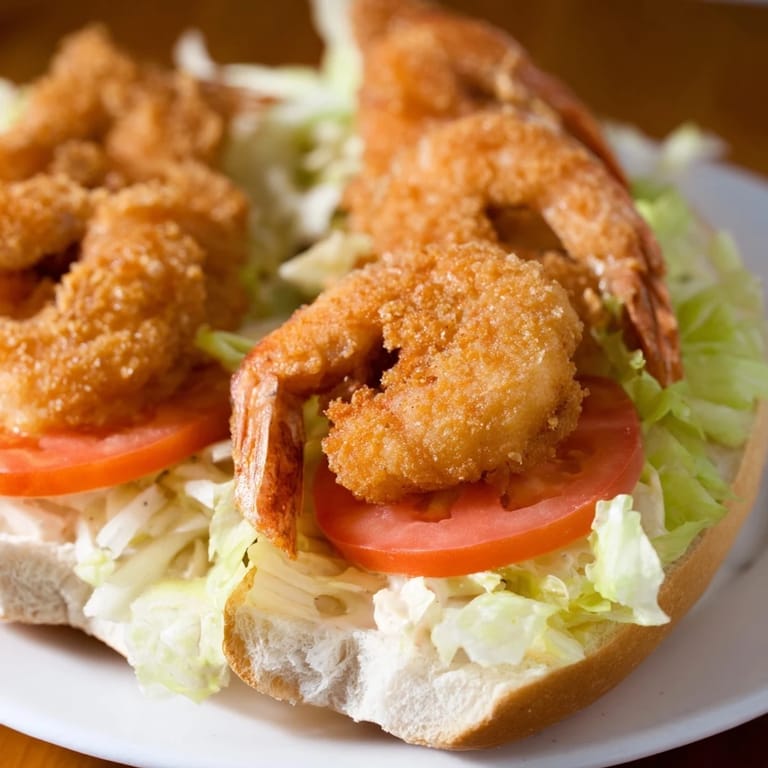
 The first time I bit into a proper po'boy, I was standing in a New Orleans kitchen on a humid August afternoon, watching my friend's grandmother work with the kind of efficiency that comes from making the same sandwich a thousand times. The shrimp were already golden, still crackling from the oil, and she handed me one wrapped in foil that was somehow still steaming. I remember the contrast—that shattering crust giving way to tender shrimp, the coolness of iceberg lettuce, and mayo that tasted like it belonged nowhere else but between two pieces of bread in that exact moment.
Years later, I made this for a small gathering and realized halfway through that po'boys have this quiet power—they quiet a room. People don't talk much when they're eating them, they just keep going back for more. My brother actually asked if I'd been to culinary school, which felt ridiculous since all I'd done was follow the same basic breading technique I'd watched that afternoon, but with shrimp instead of catfish.
Ingredients
- Large shrimp (1 lb), peeled and deveined: The size matters here—large shrimp stay tender inside while they get properly golden outside, and they're easier to eat without feeling delicate.
- All-purpose flour (1 cup) and cornmeal (1 cup): The cornmeal is the secret to that specific crunch, the part that sets this apart from fried chicken or regular fried shrimp.
- Eggs (2 large) and buttermilk (1/2 cup): This mixture clings to the shrimp better than water, and the buttermilk adds a subtle tang that deepens the flavor.
- Cajun seasoning (1 tsp), paprika (1/2 tsp), garlic powder (1/2 tsp), kosher salt (1/2 tsp), black pepper (1/4 tsp): These amounts are balanced to flavor without overwhelming—you taste the shrimp, not just spice.
- Vegetable oil for frying: You need enough depth that the shrimp float and brown evenly, not shallow pan-frying.
- Soft French rolls or hoagie buns (4): The bread makes or breaks this; it needs to be sturdy enough not to fall apart but tender enough that your teeth don't turn it to rubber.
- Iceberg lettuce (1 cup shredded), tomatoes (2 medium, sliced), mayonnaise (1/2 cup): These are the cooling agents, the reason the sandwich works in summer heat—they stop it from being overwhelming.
- Hot sauce and dill pickles (optional), lemon wedges for serving: These let you customize after the fact, which matters because everyone's tolerance for heat is different.
Tired of Takeout? 🥡
Get 10 meals you can make faster than delivery arrives. Seriously.
One email. No spam. Unsubscribe anytime.
Instructions
- Prepare your shrimp stage:
- Pat each shrimp completely dry—this is where crispy comes from, not the oil. Any moisture clinging to them will steam instead of fry.
- Mix your wet coating:
- Whisk eggs and buttermilk together in a shallow bowl until they're pale and loose. This should feel like you're dipping, not dunking.
- Combine the dry mixture:
- In another bowl, whisk flour, cornmeal, Cajun seasoning, paprika, garlic powder, salt, and pepper together so the spices are distributed evenly—no clumps of seasoning in one spot.
- Bread each shrimp:
- Dip the shrimp into the wet mixture, let excess drip off for a second, then roll it in the dry mixture, pressing gently so it adheres. Set on a clean plate as you go.
- Heat your oil to exactly 350°F:
- Use a thermometer if you have one—too cool and they're greasy, too hot and they brown outside while staying raw inside. The oil should shimmer but not smoke.
- Fry in small batches:
- Don't crowd the pan; shrimp release moisture and will steam if packed together. Two to three minutes per batch, until they're golden and they float to the top.
- Drain and set aside:
- Spread them on paper towels immediately to catch the excess oil while they're still hot.
- Prepare the bread:
- Split your rolls lengthwise, being careful to leave a hinge so they don't fall apart. A gentle sawing motion works better than pressing down.
- Season your mayo:
- If using hot sauce, mix it in now—just a tablespoon for 1/2 cup mayo gives you heat without overpowering the shrimp.
- Build the sandwich:
- Spread the mayo mixture on both sides, then layer lettuce, tomato, and shrimp. Add pickles if you want them. The order matters because lettuce acts as a barrier between the hot shrimp and the bread.
- Serve right away:
- These are best eaten while the shrimp still have warmth and the bread hasn't started absorbing moisture. Squeeze lemon over them at the table.
 Pin it
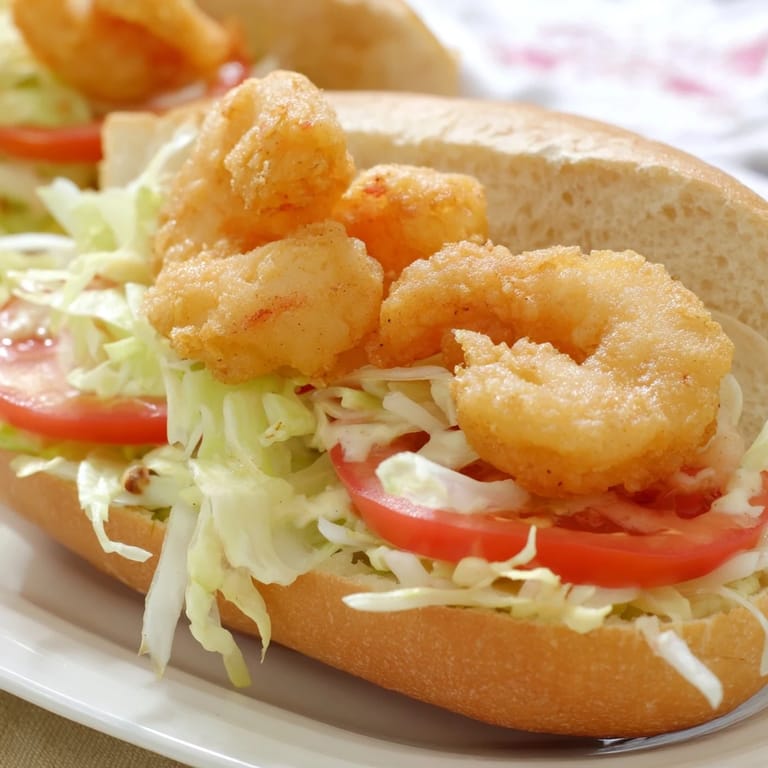
 There's a moment when everything aligns—the shrimp are crackling, the lettuce is still cold, the tomatoes taste like they were picked this morning, and someone bites in and just closes their eyes for a second. That's when you know it worked. That's when a sandwich becomes a memory.
The Breading Matters
The difference between a okay fried shrimp sandwich and one that stops conversation is entirely in how you bread it. The cornmeal gives you texture that flour alone cannot deliver—it stays crisp even when it touches the moisture from the lettuce and tomato. I've tried it without cornmeal and the shrimp turned soft within minutes. The Cajun seasoning blend needs to be tasted before you dip anything; if it tastes too salty by itself, dial it back because it concentrates when it fries. And the buttermilk mixture is specific because it's slightly acidic and thicker than plain milk, so it clings to the shrimp rather than pooling at the bottom of your bowl.
Oil Temperature Is Not Negotiable
If you've ever made something that turned out greasy and disappointing, it was probably because the oil wasn't hot enough. Shrimp cook fast—two to three minutes total—and if the oil is below 340°F they'll absorb it like tiny sponges. At 350°F, the coating sets immediately and the outside crisps while the inside stays tender. A cheap instant thermometer from any kitchen store is worth it because you're guessing otherwise, and guessing leads to wasting shrimp and oil. I learned this the expensive way, three times.
Assembly and Service
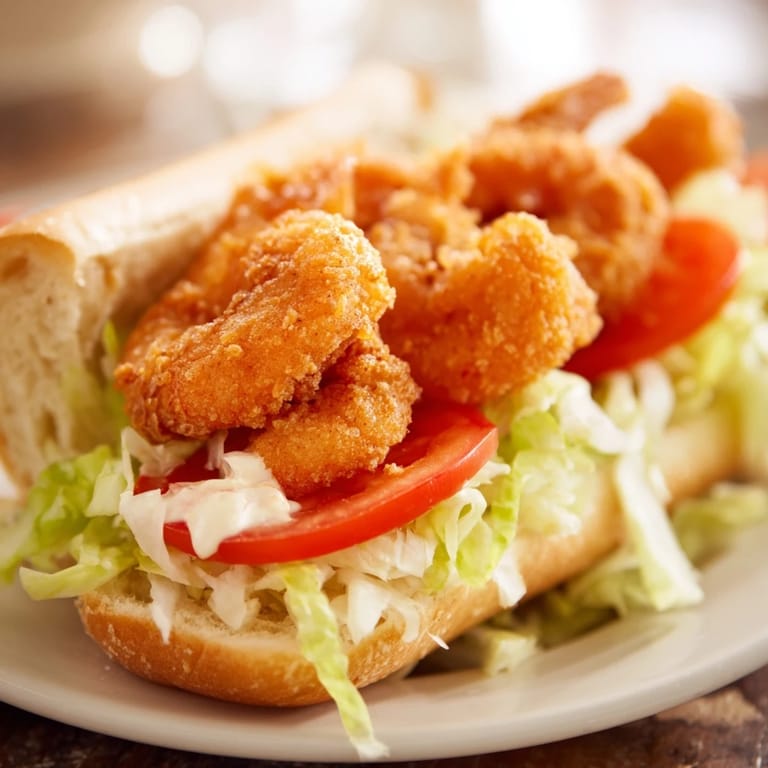
The order of layers actually matters because you're building a structure that needs to survive the eating experience. Lettuce first, as a moisture barrier between the bread and the hot shrimp. Then tomato, which adds flavor but also temperature contrast. Then the shrimp, still warm. Pickles on top if you're using them, for the same reason you'd garnish—they're the last thing you taste before the bread. Serve immediately with lemon wedges on the side so people can squeeze them right at the table, which tastes different than adding lemon beforehand.
- Make the shrimp as close to serving time as possible so the crust doesn't soften while waiting.
- Have all your components prepped and ready before you start frying, because timing is compressed and tight.
- If you need to feed a crowd, you can fry the shrimp ahead and reheat them briefly in a 375°F oven for five minutes right before assembly.
 Pin it
 This sandwich is one of those dishes that tastes like home, whether it's actually your home or not. Make it once and you'll understand why people stand in line for them in the heat.
Recipe Questions & Answers
- → What type of shrimp works best for this sandwich?
Large peeled and deveined shrimp provide the ideal texture and flavor when fried for this sandwich.
- → How can I make the shrimp extra crispy?
Coat shrimp in a mixture of all-purpose flour, cornmeal, and Cajun seasoning for a crunchy crust when fried.
- → Can I substitute the frying method for a healthier option?
Yes, shrimp can be air-fried or oven-baked for a lighter alternative that still maintains flavor.
- → What kind of bread is recommended for assembling the sandwich?
Soft French rolls or hoagie buns work best, providing a sturdy yet tender base for the fillings.
- → Are there flavor variations to enhance the sandwich?
Mixing Creole mustard into the mayo or swapping mayonnaise for a tangy remoulade sauce adds extra zest.