 Pin it
 My sister called three days before Mother's Day in a panic—she'd promised to bring dessert and had nothing planned. I found myself at midnight, scrolling through cake ideas, when I landed on this pink ombre creation and thought, why not? The next morning, I started mixing, and somewhere between creaming butter and dividing buttercream into four bowls, it stopped feeling like a last-minute rescue and became something I actually wanted to make. There's something about layering those graduated shades of pink that feels less like baking and more like painting with frosting.
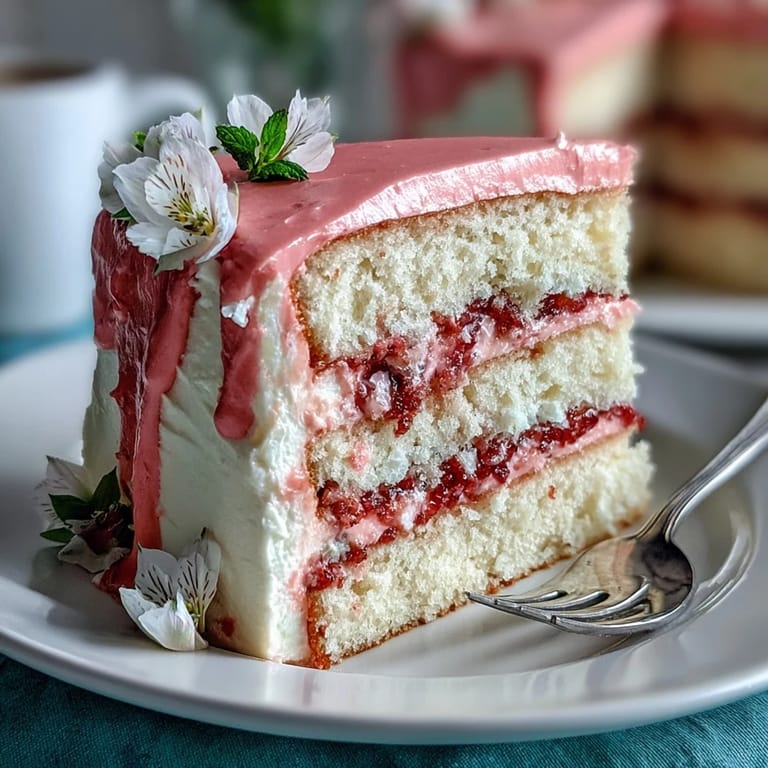
When I pulled that finished cake out of the fridge and placed it on the table at brunch, my mom actually went quiet for a moment. It wasn't the most technical cake I'd ever made, but there was something about those soft pink layers and the delicate flowers on top that made everyone's phones come out. My nephew asked if it was too pretty to eat, which felt like the highest compliment.
Ingredients
- All-purpose flour (2 ½ cups): The foundation of your sponge—make sure it's sifted or whisked with baking powder so no lumps hide in the batter.
- Baking powder (2 ½ tsp): This is your lift, so don't skimp or substitute; measure it level.
- Salt (½ tsp): Balances sweetness and deepens the vanilla flavor more than you'd expect.
- Unsalted butter (1 cup for sponge, 1 ½ cups for buttercream): Room temperature is non-negotiable—cold butter won't cream properly, and you'll end up with a dense cake.
- Granulated sugar (2 cups): Creaming it with butter for 3-4 minutes is what gives the cake its tender crumb, so don't rush this step.
- Eggs (4 large, room temperature): Cold eggs seize the batter; let them sit out for 30 minutes before you start.
- Pure vanilla extract (1 tbsp for sponge, 2 tsp for buttercream): Imitation extract won't give you that warm, rounded flavor this cake deserves.
- Whole milk (1 cup, room temperature): Alternating it with flour creates a tender crumb that stays moist for days.
- Powdered sugar (5 cups, sifted): Sifting removes lumps and makes the buttercream silky instead of gritty.
- Milk or heavy cream (2-3 tbsp): Heavy cream gives a richer buttercream, but milk works beautifully too.
- Pink gel food coloring: Gel colors won't thin your buttercream like liquid dyes do, and they're more vibrant.
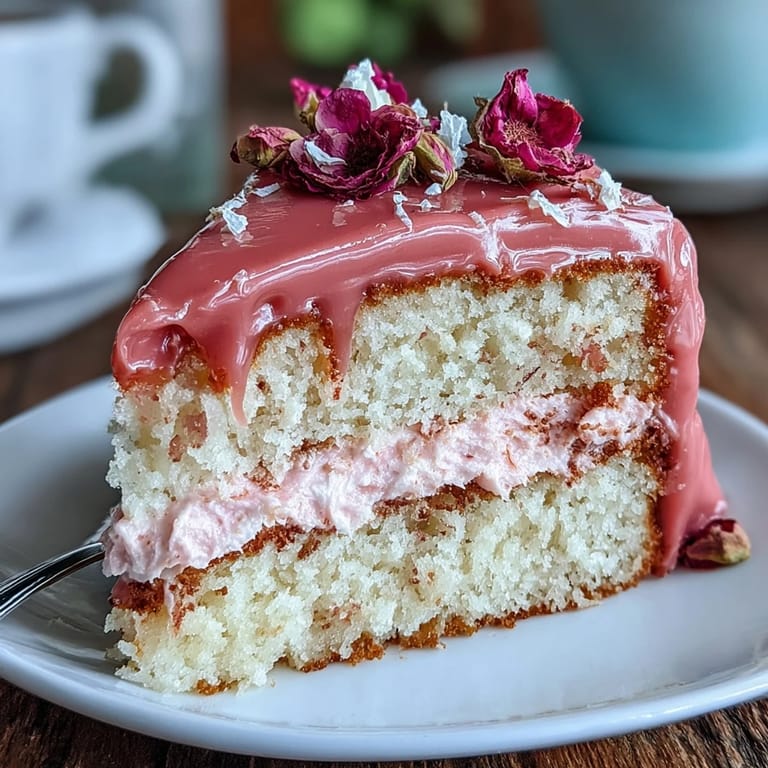
- Edible flowers: Violets, pansies, and rose petals are gorgeous; just buy from specialty suppliers to ensure they're food-safe.
Tired of Takeout? 🥡
Get 10 meals you can make faster than delivery arrives. Seriously.
One email. No spam. Unsubscribe anytime.
Instructions
- Prepare your pans and oven:
- Heat the oven to 350°F and grease three 8-inch round pans, then line the bottoms with parchment paper—this prevents sticking and makes removal effortless. Getting this step right at the beginning saves frustration later.
- Mix your dry ingredients:
- Whisk flour, baking powder, and salt in a bowl so the leavening distributes evenly throughout the batter. This takes barely a minute but prevents dense pockets in your cake.
- Cream butter and sugar:
- Beat them together for 3-4 minutes on high speed until the mixture looks pale and fluffy—this is where air enters the batter and makes the cake tender. You'll know it's ready when it looks almost like frosting.
- Add eggs and vanilla:
- Add eggs one at a time, beating well after each, then stir in vanilla extract. Going slow here keeps the batter smooth and prevents curdling.
- Alternate flour and milk:
- Add the dry mixture in three parts, alternating with milk and starting and ending with flour—this technique prevents overmixing and keeps gluten development minimal. Stir just until combined; lumps are okay.
- Divide and bake:
- Split the batter evenly among the three pans and smooth the tops. Bake for 25-30 minutes until a toothpick inserted in the center comes out clean or with just a few crumbs.
- Cool properly:
- Let cakes rest in their pans for 10 minutes so they set, then turn them out onto cooling racks to cool completely—at least 2 hours. Warm cake falls apart when you try to layer it.
- Make the buttercream:
- Beat room-temperature butter for 2-3 minutes until it's creamy and pale, then gradually add sifted powdered sugar, starting on low speed. Add vanilla and milk, then beat on high for another 3 minutes until it's light and fluffy.
- Create the ombre effect:
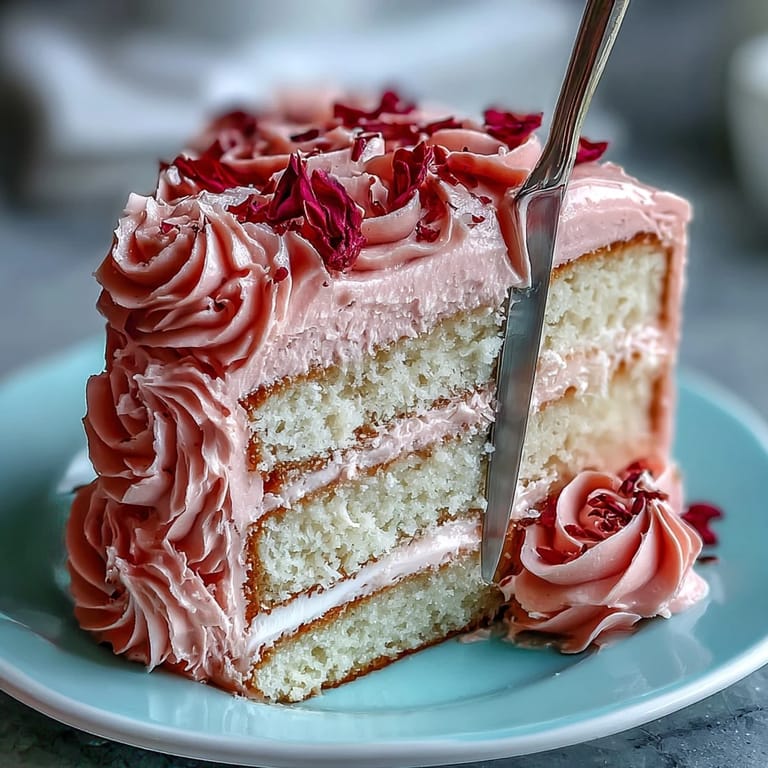
- Divide buttercream into four bowls—keep one white, then add increasing amounts of gel coloring to the others to create light, medium, and dark pink shades. Gel coloring is key because it won't thin out your frosting.
- Layer and frost:
- Place the first cake layer on your serving plate, spread with the darkest pink buttercream, add the second layer with medium pink, then the final layer with light pink on top. Frost the sides with white buttercream for contrast.
- Smooth and blend:
- Use an offset spatula to smooth the buttercream, and if you want a blended ombre effect on the sides, use a bench scraper to drag colors together gently. This is optional—imperfection adds charm.
- Decorate and chill:
- Arrange edible flowers on top just before serving so they stay fresh and vibrant. Chill the cake for 30 minutes before slicing to get clean cuts through the layers.
 Pin it
 I learned later that my mom had kept a photo of that cake on her phone for weeks, showing friends and telling them her daughter had made it. It wasn't complicated or fancy in a technical sense, but there was something about the care in those gradient colors and the fresh flowers that made it feel like love in dessert form.
The Secret to Tender Cake Layers
The magic in this cake isn't fancy technique—it's the ratio of butter to sugar and the addition of milk. Most cakes use less butter, but this one is rich, which keeps it moist for days. The milk also shortens the gluten strands, creating a tender crumb that feels almost velvety on your tongue. I've made this cake four times now, and it gets easier each time because the formula is so reliable.
Mastering the Ombre Buttercream
The ombre effect seems intimidating until you realize it's just four shades of the same buttercream placed strategically on layers. I start by mixing all my buttercream at once, then divide it and tint each portion separately—this way, you know the texture is consistent. The key is not overthinking the blending; those soft transitions between pink shades are actually more forgiving than they look once flowers cover the imperfect spots.
Timing, Storage, and Serving Suggestions
This cake is best served within two days of frosting, but the unfrosted layers stay fresh for three days if wrapped tightly in plastic wrap. You can even bake the layers a day ahead and frost everything the morning of your event, which breaks up the work beautifully. The buttercream holds up at room temperature for about an hour, but in warm weather, keep the finished cake chilled until you're ready to serve.
- If you want extra flavor, brush each cooled cake layer lightly with simple syrup before adding buttercream—this adds moisture and subtle sweetness.
- Fresh flowers should be added no more than a few hours before serving to keep them looking crisp and vibrant.
- Pair slices with sparkling rosé, prosecco, or even iced tea—the vanilla and soft floral notes complement almost everything.
 Pin it
 This cake celebrates more than just Mother's Day—it's a reminder that the most meaningful desserts aren't the ones that look like they came from a bakery, but the ones made with intention and served with care. Make this cake for the people you want to slow down and savor something beautiful with.
Recipe Questions & Answers
- → How is the pink ombre effect achieved?
By dividing buttercream into separate bowls and tinting each with increasing amounts of pink gel food coloring, then layering from darkest to lightest.
- → What type of flowers can be used for decoration?
Edible flowers like violets, pansies, and rose petals enhance appearance and flavor; non-edible toppers should be removed before serving.
- → How long should the cake chill before slicing?
Chill the decorated cake for about 30 minutes to firm the buttercream, ensuring clean and neat slices.
- → Can the vanilla sponge be prepared in advance?
Yes, baking the sponge layers ahead and wrapping them helps maintain moisture before assembly and decorating.
- → What is the best way to apply the ombre buttercream?
Spread each tinted buttercream layer gently between cake layers, then cover the outside with white buttercream, smoothing with an offset spatula and optionally blending the sides with a bench scraper.