 Pin it
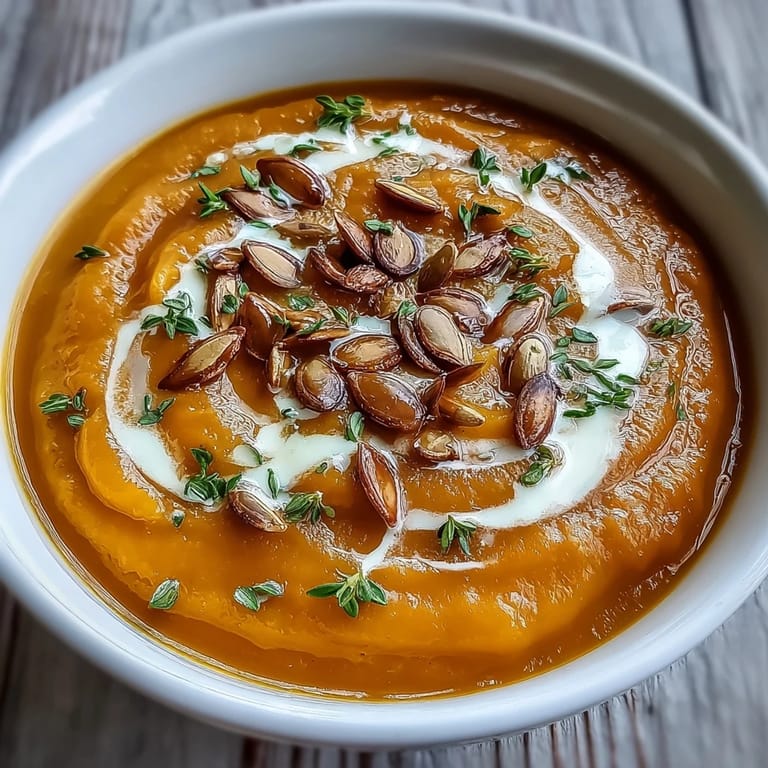
 There's something about early October that makes me crave soup, and one afternoon when my farmers market haul included a particularly knobby butternut squash and some perfectly tart apples, I decided to combine them without overthinking it. The result was this velvety blend that tastes like autumn decided to become something you could spoon into a bowl. My kitchen filled with the smell of cinnamon and caramelizing onions, and by the time I took that first spoonful, I understood why this became the soup I make whenever the weather shifts.
I made this soup for the first time when hosting a small dinner party on a chilly evening, and watching guests visibly relax after that first spoonful told me everything I needed to know. Someone asked if I'd used cream, surprised by how silky it was—I hadn't yet, which meant the squash and apples were doing all the heavy lifting. That moment made me stop treating this as just another recipe and start thinking of it as something that could quiet a room and bring people together.
Ingredients
- Butternut squash: The star of the show—its natural sweetness and creamy texture when cooked is what makes this soup sing, so don't skip peeling and cubing it fresh rather than using frozen.
- Apples: Granny Smith or Honeycrisp work best because they hold their shape during cooking while adding subtle tartness that prevents the soup from feeling one-note.
- Onion and garlic: These are your flavor foundation; don't rush sautéing them or you'll miss the deep, caramelized notes that make everything taste more refined.
- Vegetable broth: Quality matters here since it's the liquid backbone of the whole dish—homemade is wonderful if you have it, but a good store-bought broth works beautifully too.
- Apple cider or juice: This adds a subtle brightness and complexity; the cider especially brings a slight fermented depth that juice alone can't quite match.
- Cinnamon and nutmeg: These aren't afterthoughts—they're essential spices that transform simple ingredients into something that feels intentional and warmly spiced.
- Olive oil: A good quality one matters for sautéing; it carries flavor in a way that lesser oils simply can't.
Tired of Takeout? 🥡
Get 10 meals you can make faster than delivery arrives. Seriously.
One email. No spam. Unsubscribe anytime.
Instructions
- Start with the aromatics:
- Heat your olive oil over medium heat until it shimmers slightly, then add the diced onion and minced garlic. You'll know they're ready when they soften and turn translucent after about 3 minutes—the kitchen will smell incredible, and that's your signal to move forward.
- Introduce the main players:
- Add your cubed butternut squash and chopped apples directly to the pot, stirring occasionally for about 5 minutes. You're not cooking them through yet; you're just letting them warm up and start to soften slightly, which helps them release their flavors into the oil.
- Layer in the spices:
- Sprinkle the cinnamon, nutmeg, salt, and pepper over everything and stir well for about a minute. This moment matters because the heat activates the spices and allows them to coat the vegetables evenly rather than settling in pockets.
- Build the broth:
- Pour in your vegetable broth and apple cider, bring everything to a rolling boil, then immediately reduce the heat, cover, and let it simmer for 25 to 30 minutes. The squash and apples should be completely tender and practically falling apart when you poke them with a fork.
- Create the silk:
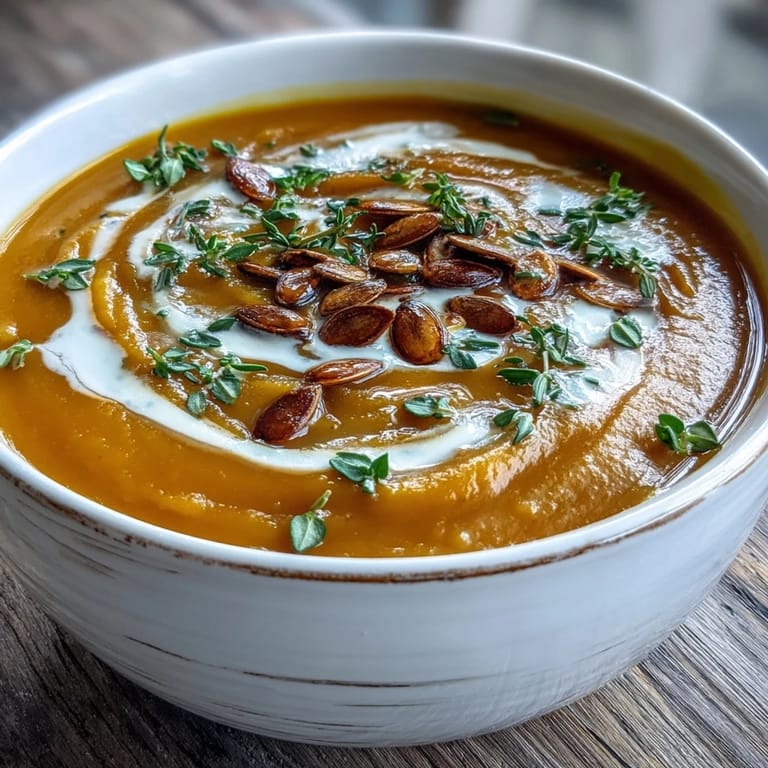
- Here's where patience matters: let the pot cool slightly before blending, then use an immersion blender right in the pot, working in slow circles to avoid splashing hot soup everywhere. If you're using a countertop blender, work in batches and be careful with the hot liquid—the result should be completely smooth and velvety.
- Taste and adjust:
- This is non-negotiable; the seasoning might need tweaking depending on your specific ingredients. A pinch more salt or a whisper more cinnamon can make all the difference.
 Pin it
 What shifted for me was realizing that this soup became the thing people asked me to bring to gatherings, and eventually, the thing they called asking how to make themselves. There's a kind of quiet satisfaction in feeding people something warm and nourishing, especially when they realize how simple the ingredients actually are.
Variations Worth Trying
Once you've made this soup a few times, you'll start seeing possibilities everywhere. I've added a small piece of fresh ginger for extra warmth, swapped half the apple cider for a dry white wine for a slightly more sophisticated flavor, and even stirred in coconut cream instead of dairy cream for a vegan-friendly version that my non-dairy friends actually preferred. Each variation still feels like the same beloved soup, just wearing different clothes depending on what you have on hand or what mood you're in.
Serving and Pairing
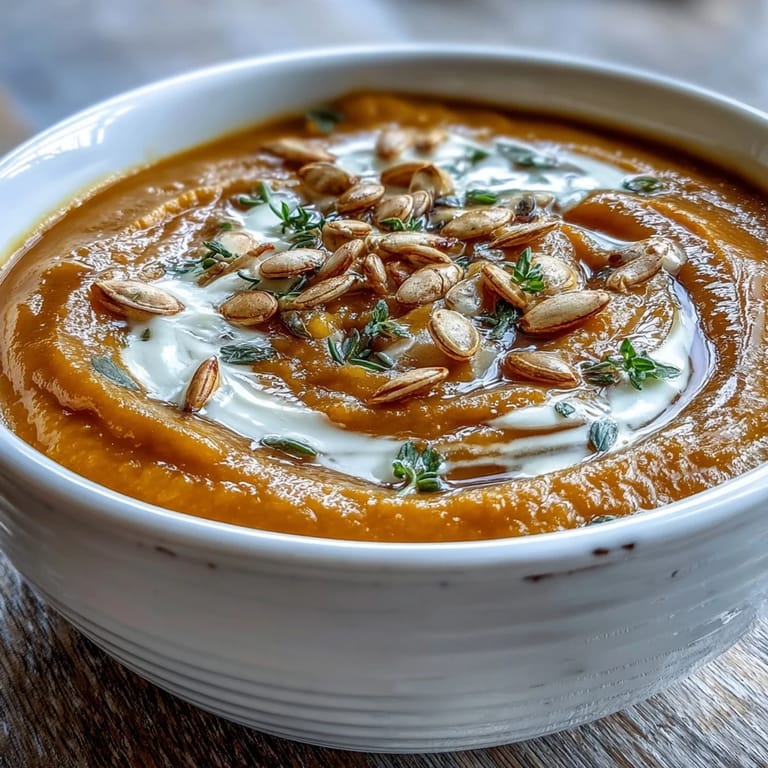
This soup wants to be paired thoughtfully; crusty bread is the obvious choice because you'll want something to dip into the velvety warmth, but I've also served it alongside a sharp green salad with peppery arugula and a tangy vinaigrette, which creates a beautiful balance of temperatures and flavors. In warmer months, I've even chilled it and served it cold with a dollop of Greek yogurt and a sprinkle of toasted seeds, transforming it into something entirely different yet fundamentally the same.
The Make-Ahead Magic
One of my favorite discoveries is that this soup actually tastes better the next day after the flavors have had time to marry and deepen in the refrigerator. I make a full batch on a quiet afternoon, knowing that a quick reheat on the stove gives me either a weeknight dinner solution or something elegant to pull out when unexpected guests arrive.
- Store it in an airtight container in the refrigerator for up to four days, or freeze it in portions for up to three months.
- When reheating, add a splash of broth or apple cider to restore the silky consistency, as soups can thicken slightly when chilled.
- Don't add cream or garnishes until you're ready to serve—they stay fresher that way and give you flexibility for different meals.
 Pin it
 This soup taught me that sometimes the most satisfying dishes are the ones that require the least pretense but deliver the most comfort. Every time I make it, I'm reminded why I keep coming back to it.
Recipe Questions & Answers
- → Can I make this soup ahead of time?
Yes, this soup stores beautifully in the refrigerator for up to 4 days. Reheat gently on the stovetop, adding a splash of broth if needed to adjust consistency.
- → What type of apples work best?
Granny Smith apples add tartness, while Honeycrisp provides sweetness. For balanced flavor, use a combination of both or choose any firm, crisp apple variety you prefer.
- → How can I make this soup vegan?
The soup is naturally vegan when prepared without the cream garnish. Simply substitute coconut cream for heavy cream or omit the garnish entirely for a completely plant-based dish.
- → Can I freeze butternut squash and apple soup?
Absolutely! Freeze in airtight containers for up to 3 months. Thaw overnight in the refrigerator and reheat gently, stirring occasionally to restore the creamy texture.
- → What can I serve with this soup?
Crusty bread, toasted baguette slices, or a fresh green salad complement this soup beautifully. For a heartier meal, serve alongside a grilled cheese sandwich or roasted vegetable platter.
- → Do I need to roast the squash first?
No roasting required! The squash simmers directly in the broth until tender, making this a simple one-pot preparation that develops rich flavor through gentle cooking.